
Breast Spillage Over the Bra Cup — Why It Happens & How to Fix It
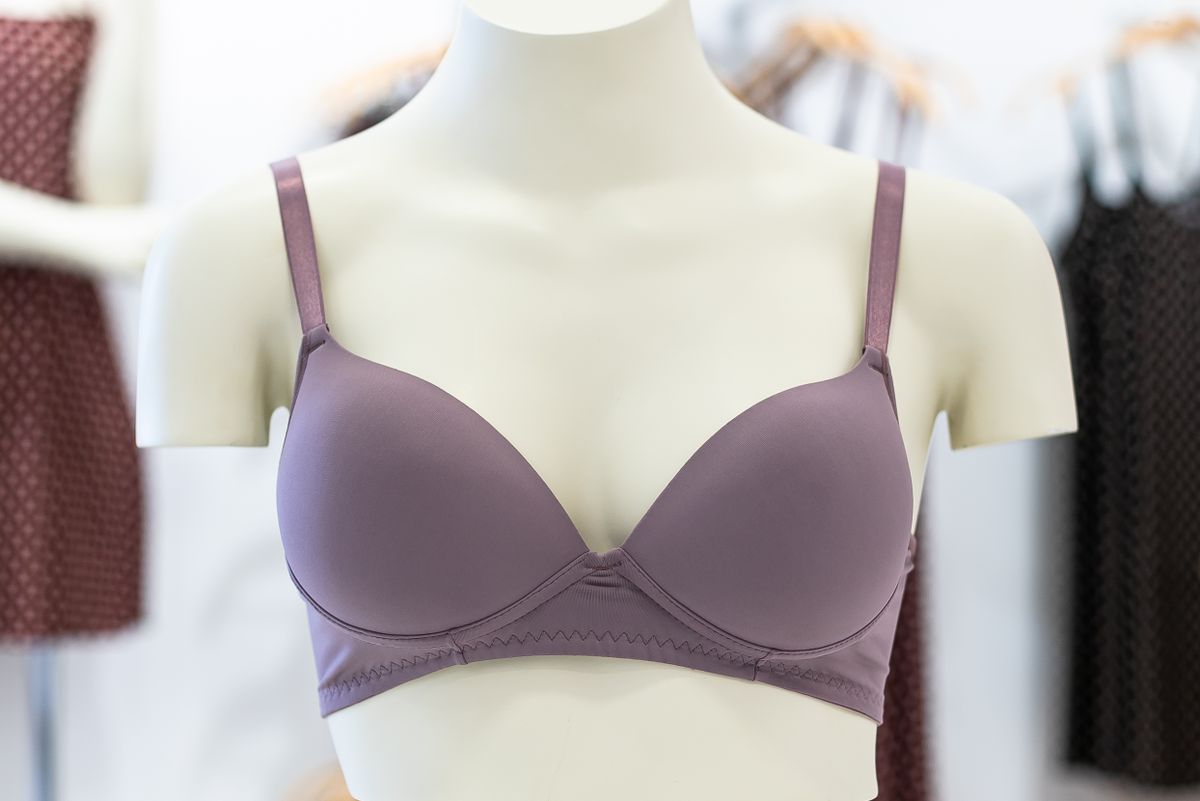
If your breasts spill over the top, slip out the sides, or escape under the bra, here's the first thing to know: breast spillage is a fit problem, not a body problem. It's not "too much you" — it's a cup that's too small or the wrong shape to hold the tissue you have. Move that tissue into a cup that fits, and the bulge disappears.
There are four kinds of spillage — top, side, armpit, and bottom — and each points to a slightly different fix. Below, we'll match your spillage to its cause and sort it out.
What spillage actually means (and why it isn't your body)
Picture pouring water into a glass that's a size too small. It brims over the edge no matter how carefully you pour — not because there's too much water, but because the glass can't hold it. A bra cup is the same: when it's too small or too shallow for your breast tissue, that tissue has to go somewhere, so it spills over the top or out the sides.
That bulge has a nickname — the "quad-boob" line under a fitted top — and it makes a lot of women assume they've gained weight or that their body is the problem. It isn't. Your breast tissue is soft and movable (it has no muscle — it sits on the skin and the Cooper's ligaments), so a cup that fits simply gathers it back in. It's the bra, not you.
4 types of breast spillage — and the fix for each
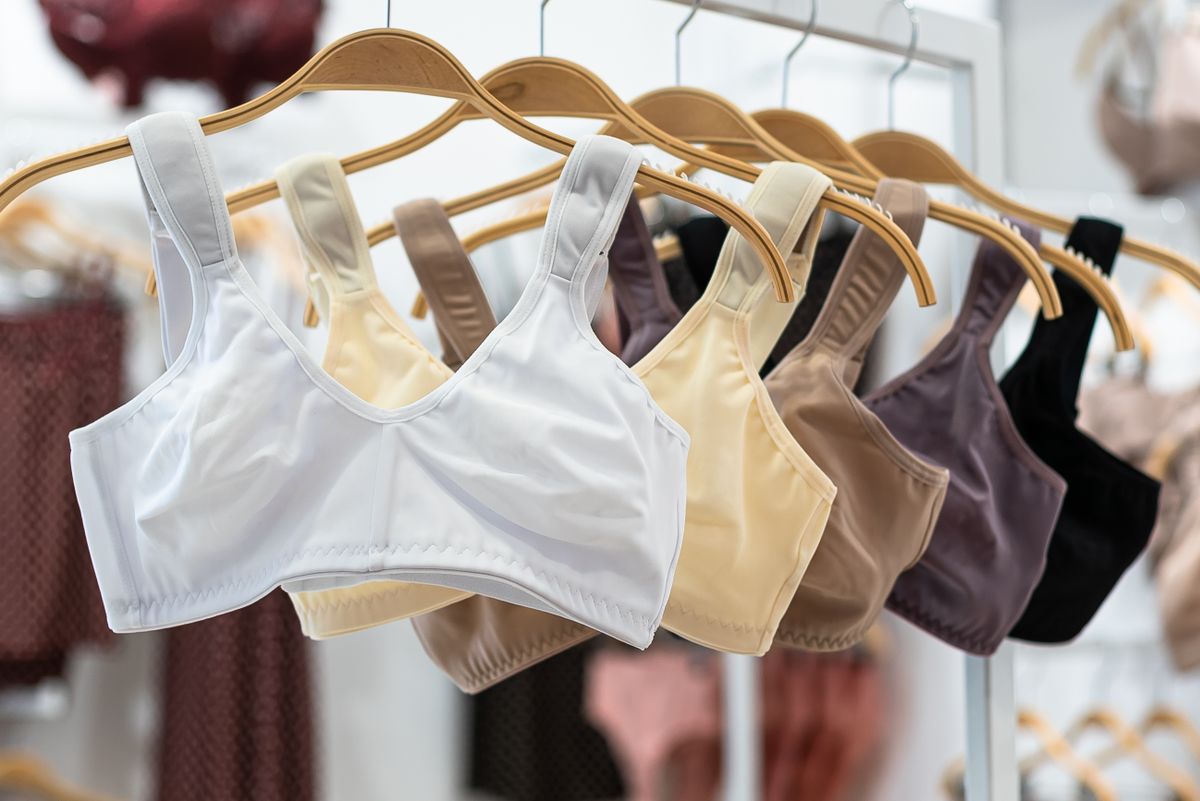
Where you spill tells you what's wrong. Here's the quick map:
| Where it spills | Most likely cause | The fix |
|---|---|---|
| Over the top | Cup too small | Size up the cup (sister size) |
| Out the sides / underarm | Cup too shallow or band too loose | Snugger band + fuller, higher-cut cup |
| Under the cup (bottom) | Band too big, or wires too small | Smaller band, bigger/wider cup |
| Right size but still bulging | Wrong cup shape for you | Change the style, not the number |
Top spillage: the cup is too small
This is the classic one. Tissue rises over the upper edge of the cup, leaving that tell-tale ridge under a top. The cup simply doesn't have the volume to hold everything.
The fix: go up a cup size — and because cup volume is relative to the band, use a sister size (down a band, up a cup, e.g. 34C → 32D) so the band stays snug. The top edge of the cup should lie flat against your tissue, not cut into it.
Side and underarm spillage: shape and band
When tissue escapes out the sides or toward your armpit, two things are usually at play: the cup is too shallow to wrap your side tissue, or the band is too loose, letting everything migrate sideways.
The fix: firm up the band first, then choose a cup cut higher on the sides with side-support panels — a full-coverage style rather than a low demi. It corrals the tissue in instead of letting it slide out.
Bottom spillage: falling out under the cup
If your breasts slip down and out underneath the cup, the band is usually too big (so the whole bra rides up and the wires sit on tissue), or the cup is too small/narrow to sit in your natural crease.
The fix: a snugger band stops the bra riding up; a bigger or wider cup lets the wire sit flat in the fold under your breast, holding everything from below.
"Right size" but still spilling: it's the shape
Here's the one that confuses everyone. The size is technically correct, but a moulded, shallow cup can't hold soft or projected tissue, so it still spills.
The fix: keep the size, change the style. Soft tissue does better in a stretchy or full-cup bra that moulds to you, not a stiff pre-formed cup.
How to find your correct cup depth and shape

Two breasts can share a bra size and still need totally different cups, because shape decides how that volume sits. The quick way to read yours:
- Projected (deep) vs shallow: if your breasts are fuller front-to-back, you need a deeper cup; shallow breasts spill in deep cups and do better in demi or moulded styles.
- Top-heavy vs bottom-heavy: fullness mostly on top spills over demi cups — go full coverage; fullness mostly at the bottom suits demi and balconette styles.
- Soft vs firm: soft tissue needs a cup that moulds (stretch lace, full cup); firm tissue holds its shape in structured cups.
Quick test: do the scoop. Lean forward, settle all the tissue into each cup, then stand up. If it immediately bulges back over the edge, the cup is too small or too shallow — not your body misbehaving.
How to fix breast spillage, step by step

Whatever type of spillage you have, the fix follows the same order. Work through it top to bottom:
- Fix the band first. A loose band lets tissue migrate up and sideways, so start here. It should sit snug and level — you can slide two fingers under it, no more. If it rides up, size the band down.
- Do the scoop. Lean forward, settle all the tissue into each cup, and stand up. Half of "spillage" is just tissue that was never scooped in.
- Size up the cup if it still spills over the top — using a sister size so the band stays firm (34C → 32D).
- Switch the style if the size is right but it still bulges. Move from a demi or stiff moulded cup to a full-coverage or stretch cup that holds your shape.
- Re-check after a few wears. A new bra should pass on the loosest hook; as the band relaxes, tighten the hooks before you blame the cup.
Most spillage is gone by step 3 or 4 — no diet, no shapewear, just a cup that fits.
Demi cup vs full cup — which is right for you?
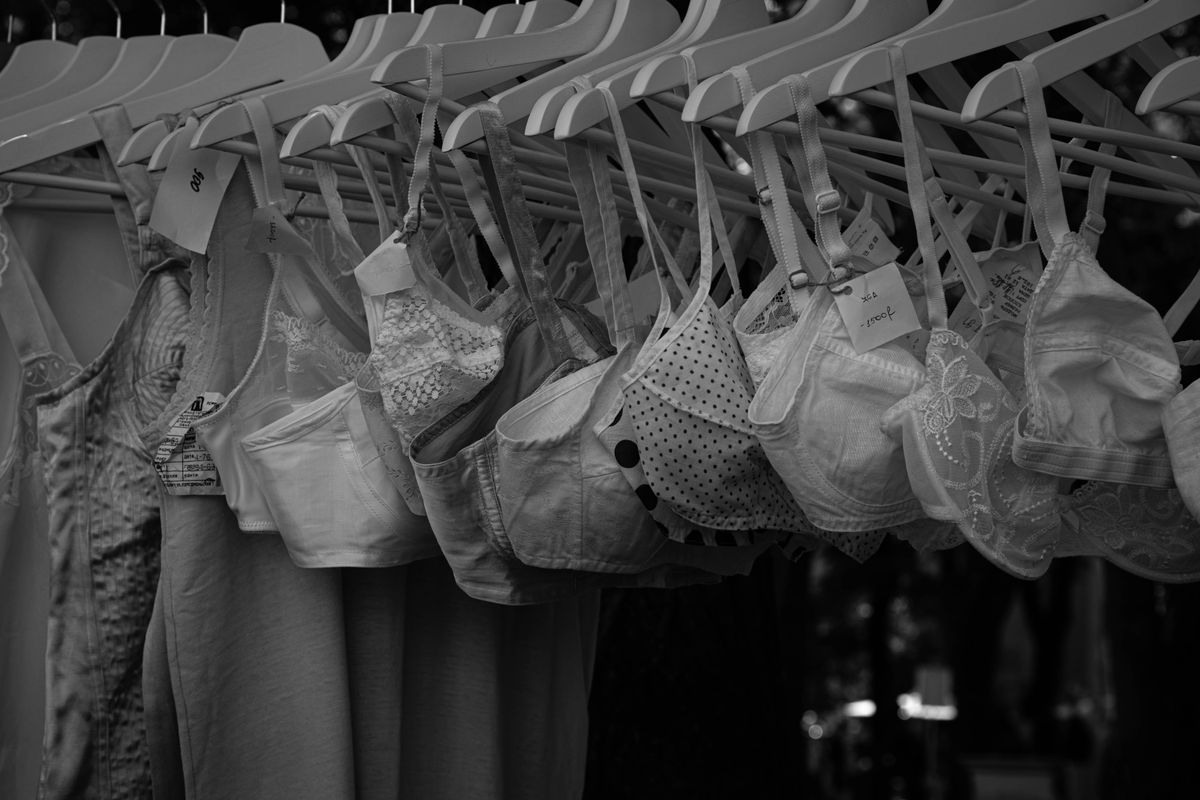
This single choice fixes most spillage, so it's worth getting right:
| Demi (half) cup | Full cup | |
|---|---|---|
| Coverage | Lower 50–75% of the breast | Most or all of the breast |
| Best for | Smaller, shallow, or bottom-heavy shapes | Fuller busts, soft or top-heavy tissue |
| Spillage risk | Higher on a full bust | Low — built to contain |
| Look | Lower neckline, more cleavage | Smooth, fully supported |
In plain terms: if you keep spilling over the top, a full cup is almost always your answer. Demi cups are lovely, but they only cover the bottom half — so on a fuller or top-heavy bust, the top half has nowhere to go but over the edge.
Caught between the two? A balconette is the useful middle ground: it covers more than a demi (so it spills less) while keeping a lower, prettier neckline than a full cup. It suits an even-to-bottom-heavy shape that wants some coverage without going all the way to full. If a balconette still spills over the top, take that as your cue to move up to a true full cup. (And a reminder from opinions we don't budge on: padding won't fix this — a padded cup in the wrong size still spills. Fix the size and shape first.)
Best cup styles for a full bust

If you're fuller-busted, the deck is stacked against you locally — but here's how to win it:
- Full-coverage and side-support styles are your best friends for containing tissue without spillage.
- Balconette and full-cup T-shirt bras smooth everything under fitted tops and shirts — no ridge, no escape.
- Skip the low demis and heavy push-ups for everyday wear; they're built to reveal, not to hold.
- Mind asymmetry. Almost no one is perfectly even, so if one side spills while the other gaps, that's normal — fit the cup to your larger side and let the smaller one have a little room (a light insert evens it out). Don't squeeze the bigger side into the smaller cup; that's spillage by design.
- Availability note: extended cups (D and up) are genuinely hard to find on high-street shelves, so don't take "we only have up to C" as your real size — that's their stock, not your body. Brand websites and online retailers carry more, and dedicated full-bust labels stock the deeper cups. Always try the scoop test in the fitting room before you decide.
One myth to bin while we're here: spilling out of a bra does not mean you've "gotten bigger" or need to cover up — it means the cup is wrong. (That "80% of women wear the wrong size" line is shakier than it sounds, but a too-small cup really is one of the most common errors there is.)
The bottom line
Breast spillage is your bra telling on itself, not your body. Read where you spill — top means cup too small, sides mean shallow cup or loose band, bottom means band too big — then size up the cup with a sister size, firm up the band, and pick a fuller, higher-cut style that holds your shape. Most spillage clears the moment the cup actually fits.
NovellaFit has no shop and nothing to sell you, so the only thing we're pushing is the fix that works. New here? Meet the site on the about page, or work through the rest of our fit guides one problem at a time.
Frequently Asked Questions
Does spillage mean my bra cup is too small?
Usually, yes — spillage over the top is the classic sign of a cup that's too small to hold all your breast tissue. But not always: side and bottom spillage can come from a band that's too big or a cup shape that's wrong for you, even when the size is technically right. Check the band first, then size up the cup or switch to a fuller style.
Is breast spillage a sign of weight gain?
No. Spillage is displaced breast tissue pushed out by a cup that can't contain it — not proof your body has changed or that there's 'too much' of you. A bigger or differently shaped cup gathers the same tissue back in. Your size does shift with weight, pregnancy, and age, so it's worth re-measuring, but the spillage itself is a fit issue, not a flaw.
How do I stop spillage on the sides and underarms?
Side and underarm spillage usually means the cup is too shallow or the wrong shape, or the band is too loose so tissue escapes sideways. Try a snugger band, a fuller cup with side support panels, and a style cut higher on the sides (full-coverage rather than a low demi). A bra that wraps more of your side tissue keeps it inside the cup.
Demi cup or full cup — which is better for spillage?
For containing spillage, a full cup wins — it covers most of the breast and is built for fuller busts. Demi (half) cups only cover the lower half, so on a fuller or top-heavy bust they spill easily. Demi works best on smaller, shallower, or bottom-heavy shapes. If you spill over the top in a demi, that's your sign to try a full cup.
Can the right cup size still spill if the shape is wrong?
Yes — and this trips up a lot of women. A cup can be the right volume but the wrong shape for you: a shallow, moulded cup on soft or projected tissue will still spill, while a stretchy or full-cup style in the same size won't. Shape is as important as size. If your 'correct size' still spills, change the style before you change the number.