
Why Does My Bra Leave Deep Marks on Skin? Causes, Risks & Solutions

If your bra leaves red lines across your shoulders, ribs, or under your breasts, here's the quick answer: a light bra mark that fades within 15–30 minutes is completely normal — but a deep groove that's still there hours later means the fit is too tight. It's the same as the ring a snug sock leaves around your ankle: a faint line is nothing; a deep dent that lasts is a signal.
So the real question isn't "do I get marks?" — almost everyone does — it's "how deep, and how long do they last?" Below: what's normal, what isn't, the real causes, the honest health picture, and how to stop them.
Bra marks: normal, or a problem?

Think of the line a tight sock or a hair-tie leaves behind. A faint pink mark that vanishes in a few minutes is just skin compression — harmless, and a sign your bra was sitting where it should. Here's the simple rule:
- Normal: a light line that fades within about 15–30 minutes and never hurts.
- Too tight: a deep groove that's still visible after an hour, or one that's painful or itchy.
- A red flag: broken skin, bruising, or numbness and tingling. That's not "snug" — that's too much pressure.
A bra should never hurt. If it does, the answer is almost never "toughen up" — it's "the fit is off." And no, you haven't "gotten too big" for your bra: deep marks are about how the bra presses, not about your body needing to shrink to fit it. Let's find where the pressure is going wrong.
Why your bra is leaving deep marks
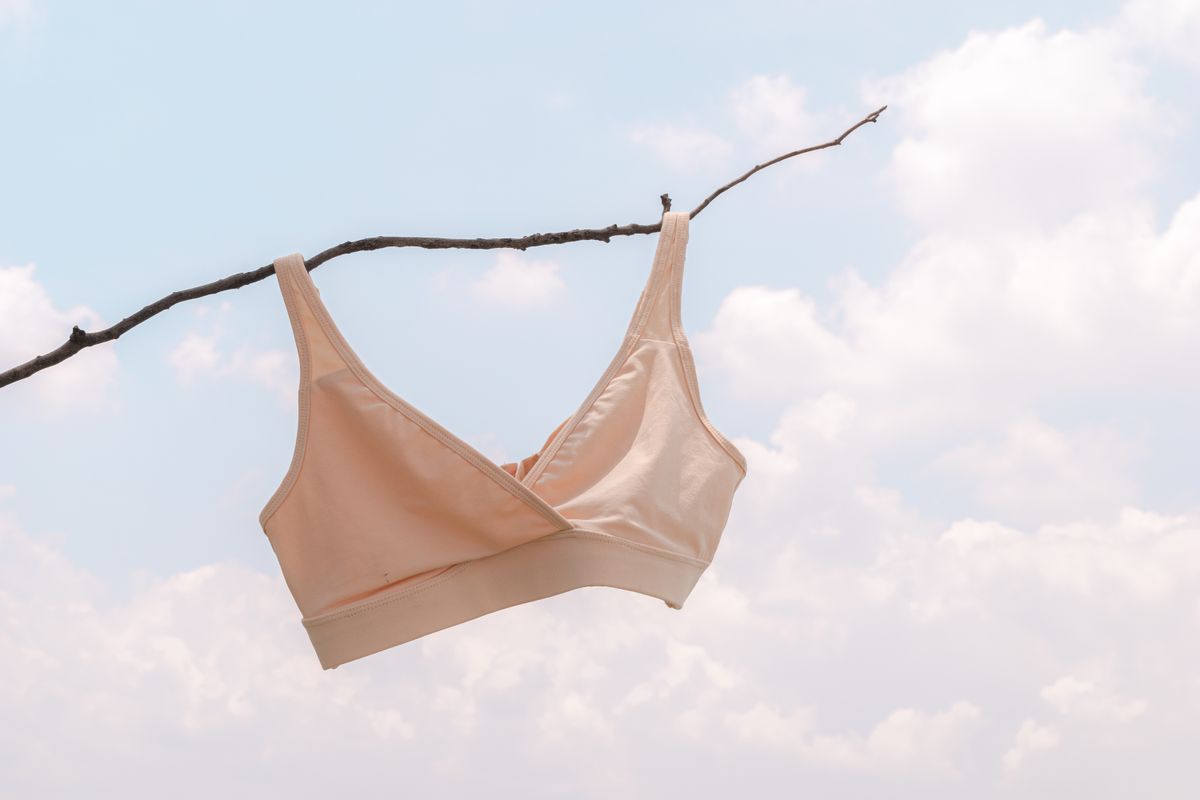
Deep, lasting bra marks come down to pressure landing in the wrong place. The usual culprits:
- The band is too tight. Marks around your ribs or under your breasts most often mean the band is digging in. A good band is firm but breathable — you should slide two fingers under it.
- The band is too loose. Counter-intuitive, but a loose band makes the straps do its job, and overworked straps carve grooves into your shoulders. (That's the same root cause behind shoulder pain from bra straps.)
- The straps are too narrow. Thin straps concentrate all the weight on a tiny strip of skin. Wide, cushioned straps spread it out.
- The cup is too small. When tissue overflows, the wire gets pushed onto soft tissue and presses in under the breast instead of sitting flat in the crease.
- The bra is worn out. Old elastic curls and bunches, turning a smooth band into a thin, sharp edge. Most bras are done in 6–12 months of regular wear — a curling band can't help but dig.
In plain terms: marks are a map. Where they land tells you which part of the bra is too tight, too loose, or too tired.
Are bra marks dangerous? The honest answer
Mostly, no — they're a comfort and skin matter, not a medical emergency. But let's be straight about the edges:
- Temporary marks are harmless. They're just compressed skin bouncing back.
- Constant deep pressure isn't great for skin. Day after day, it can irritate the surface and, over time, leave longer-lasting marks (more on that below).
- The cancer myth is just that — a myth. There is no credible evidence that tight bras, underwires, or the marks they leave cause breast cancer; the National Breast Cancer Foundation lists it plainly as false. Deep marks are about fit, not cancer.
- When to see a doctor: if you get numbness, tingling, or pins-and-needles down your arm, skin that breaks or won't heal, or any new lump or change unrelated to the bra. That's a doctor's call, not a fit tip — we stay in our lane on health.
Dark marks and skin problems (especially in the heat)
The dark marks that build up under the breasts or on the shoulders are usually hyperpigmentation — the skin's response to months or years of friction and pressure, which makes it produce extra melanin in that spot. It's common and harmless, but understandably annoying.
Our climate makes the skin side harder:
- Heat and sweat under the band can trigger a chafing rash in the skin folds (called intertrigo) or little heat bumps where the elastic traps moisture.
- Synthetic, non-breathable fabric holds sweat against the skin, worsening both rashes and dark marks.
What helps: fix the fit first so the pressure and friction stop. Then keep the area clean and dry (pat dry after a shower, especially under the bust), choose breathable fabrics, and give your skin braless breaks at home. Gentle, consistent moisturising can fade existing dark marks over time — and if they bother you or a rash won't settle, a dermatologist is the right person to ask.
How to fade marks you already have
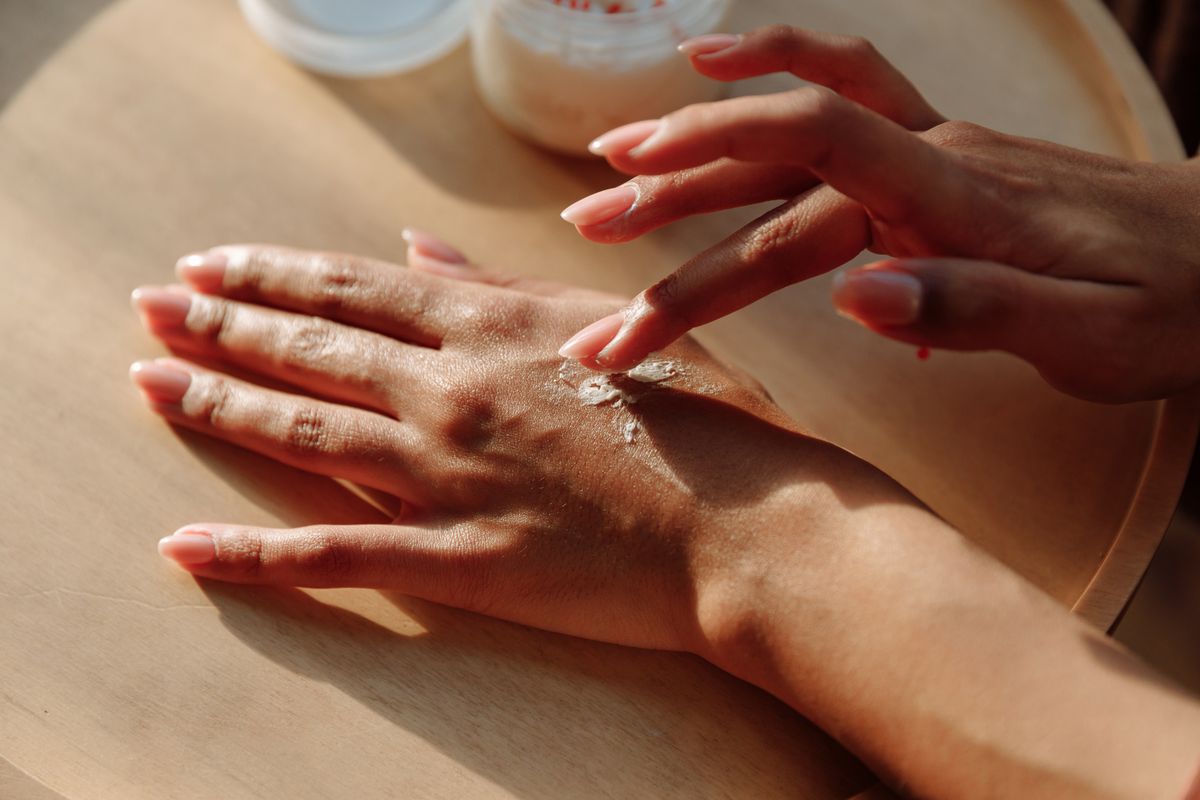
Fixing the fit stops new marking — but the dark lines already there will fade on their own timeline, and you can gently help them along. None of this is a medical treatment; it's everyday skincare, so be patient and kind with your skin:
- Stop the friction first. No cream out-works a too-tight band. Sort the fit, and the skin finally gets a chance to recover.
- Keep the area clean and dry, especially under the bust in summer — trapped sweat keeps the irritation (and the darkening) going.
- Moisturise gently and consistently. Simple, fragrance-free lotions soften the skin; ingredients like niacinamide or vitamin C are popular for evening out tone over weeks, not days.
- Exfoliate lightly, not aggressively. Once a week is plenty; scrubbing hard on already-irritated skin makes hyperpigmentation worse, not better.
- Mind the sun. Pigment marks darken with sun exposure, so cover up or use SPF on areas that see daylight.
If a dark patch keeps spreading, itches, or simply won't budge after a couple of months, see a dermatologist — they can tell pigmentation apart from anything that needs proper treatment.
How to fit your bra so it stops marking
Most marks vanish the moment the fit is right. Run this quick checklist:
- Band firm, not biting. Two fingers should slide under it. A new bra should sit right on its loosest hook, so you tighten into the hooks over months as the elastic relaxes.
- Wide, cushioned straps, set so you can slip a finger under them — snug, not load-bearing.
- A cup big enough that the wire rests in the crease under your breast, not on tissue. Spilling over? Size up the cup with a sister size.
- Replace worn bras. If the band only feels right on the tightest hook or the elastic is curling, it's done — a tired band marks no matter the size. Not sure of your size? Start with how to measure at home.
- Rotate your bras. Wearing the same bra every day means the same edge presses the same line into your skin daily. Owning three or more and rotating them lets both the elastic and your skin recover between wears.
Quick test: at the end of the day, glance in the mirror as you take the bra off. A faint line that's gone before you've changed for bed is a bra doing its job. A deep groove still etched in at bedtime is a bra to re-fit or retire. That ten-second check tells you more than any size label.
Soft and wireless options, and gentle fabrics

If your skin is sensitive or the heat is relentless, the bra itself can do a lot of the work:
- Wide-banded, wireless bras and soft bralettes spread pressure over more skin, so they mark far less than thin-banded, hard-wired styles. (Wireless is a comfort choice, not a safety one — wires aren't the enemy when they fit.)
- Breathable fabrics — cotton, modal, bamboo — let your skin breathe and wick sweat, which cuts both rashes and dark marks. Save the all-synthetic lace for short occasions, not all-day wear in the heat.
- Comfort note: in peak heat, a soft cotton wireless bra worn on a firm-but-comfortable band is often kinder to your skin than a tight synthetic one — most lingerie brands carry cotton and wireless options, with more range online.
- A trick for sticky summer days: keep a clean cotton bra for the afternoon and swap into it after lunch, or tuck a thin cotton liner under the band where it sits in the crease. Both keep sweat off the skin and stop the same damp edge from marking you for eight hours straight.
None of this means living in discomfort or covering up — it means letting your skin breathe. A bra that fits and breathes leaves a faint line at most; a tight, airless one leaves a daily reminder. The fix is comfort, not compromise.
The bottom line
Bra marks are a language, not a life sentence. A faint line that fades in minutes? Totally normal — carry on. A deep groove that lingers for hours, or dark marks building up under the bust? That's your bra telling you the band's too tight, the straps too thin, the cup too small, or the elastic too old. Fix the fit, choose breathable fabrics, keep the skin dry, and the marks fade — your bra should hold you, not brand you.
NovellaFit has no shop and nothing to sell you, so the only thing we're pushing is the fit that works. New here? Meet the site on the about page, or work through the rest of our fit guides one problem at a time.
Frequently Asked Questions
Are bra marks on the skin normal?
A light red line that fades within about 15–30 minutes is completely normal — it's just skin compression, like the ring a sock leaves around your ankle. What's not normal is a deep groove that's still there hours later, marks that are painful or itchy, or skin that's broken or bruised. Those mean the bra is too tight or worn out, and the fit needs fixing.
How long should bra marks last?
Minutes to an hour at most. A normal indentation disappears soon after you take the bra off and never hurts. If your marks are still visible after an hour — or it takes the skin a long time to bounce back — your band, straps, or wires are pressing too hard, and it's time to check the fit or replace a worn-out bra.
Why do I have dark marks under my breasts from my bra?
Those are usually hyperpigmentation — the skin's response to months or years of repeated friction and pressure, which makes it produce extra melanin in that spot. Wearing the wrong size, an old curling wire, and heat and sweat all make it worse. Fixing the fit stops new marking; gentle skincare can fade the existing marks over time, and a dermatologist can advise if they bother you.
Can a tight bra or its marks cause breast cancer?
No. There is no credible evidence that bras, tight bands, underwires, or the marks they leave cause breast cancer — major cancer organisations have rejected that myth. Deep marks are a comfort and skin issue, not a cancer risk. That said, if you ever feel a new lump or notice a skin change unrelated to your bra, see a doctor — that's separate from bra marks.
Which bra stops marks the best?
One that actually fits: a firm-but-not-tight band on the loosest hook, wide cushioned straps, and a cup big enough that the wire sits in the crease, not on tissue. Soft, wide-banded, and wireless styles in breathable cotton or modal spread pressure and breathe better — especially in our heat. The right fit matters far more than any 'anti-mark' gimmick.